Understanding Player Psychology in Casino Games
The allure of casino games extends beyond mere chance; it’s deeply rooted in human psychology. Beliefs surrounding luck, strategy, and the very nature of the games significantly influence how players approach their betting. Many players hold onto the idea of “hot streaks” or “due” outcomes, often driven by a gambler’s fallacy, where past results are incorrectly believed to influence future independent events. This often leads to increased betting during perceived winning phases and desperate attempts to recoup losses during losing ones, creating an emotional rollercoaster, and for many, a visit to stay casino can offer a fresh perspective on these dynamics.
Understanding these deeply ingrained psychological beliefs is key to appreciating the casino experience. Whether it’s the belief in a lucky charm, a specific betting pattern, or the feeling that a machine is “due” to pay out, these mental frameworks shape player decisions. Casinos, while built on randomness, often leverage these psychological tendencies through game design and atmosphere, subtly encouraging extended play and engagement. Recognizing these beliefs within oneself can lead to a more mindful and controlled approach to casino gaming.
The Myth of Guaranteed Wins and Strategic Fallacies
A prevalent belief in the casino world is the existence of guaranteed winning systems or infallible strategies. While some games, like blackjack or poker, involve elements of skill and strategy that can influence odds, the notion of a foolproof method to beat the house edge is largely a myth. Many players fall prey to systems that promise consistent profits, often overlooking the inherent randomness and the mathematical advantage the casino holds over time. These beliefs can lead to significant financial losses as players chase elusive guaranteed wins.
These strategic fallacies are often perpetuated by anecdotal evidence or marketing of “expert” systems. Players might believe that by strictly adhering to a particular betting progression or card-counting technique, they can negate the house’s advantage. However, even with skill-based games, variance is a significant factor, and short-term successes do not translate into long-term guarantees. The psychological comfort derived from having a “system” can be powerful, but it often masks the underlying statistical realities of casino gaming.
The Role of Superstition and Rituals in Gameplay
Superstitions and personal rituals play a surprisingly significant role in the casino environment for many players. These beliefs, ranging from wearing a lucky shirt to performing a specific sequence of actions before placing a bet, are often attempts to exert a sense of control over an inherently unpredictable outcome. While logically unfounded, these practices can provide a psychological boost, reducing anxiety and enhancing the feeling of engagement and immersion in the game. The belief is that these rituals somehow influence luck in their favor.
The power of superstition lies in its ability to create a positive mental state. For a player convinced their ritual brings good fortune, the act itself becomes part of the gaming experience. This psychological reinforcement can make the game more enjoyable, even if the outcomes are purely random. Analyzing these exclusive casino game beliefs reveals that for many, the emotional and mental journey is as important as the financial result, with rituals serving as anchors in the sea of chance. This is particularly true in fast-paced online environments where players might create their own comforting routines.
The Concept of “House Edge” and Its Impact on Beliefs
Understanding the “house edge” is fundamental to analyzing casino game beliefs. This mathematical advantage built into every casino game ensures that, over the long run, the casino will profit. However, many players tend to ignore or downplay the impact of the house edge, especially during periods of winning. The belief that they can consistently overcome this inherent disadvantage is a common fallacy. Instead, players might focus on short-term wins, attributing them to luck rather than acknowledging the statistical reality that favors the casino.
The house edge influences player beliefs by creating a cycle of hope and disappointment. When players experience wins, they might believe they have found a way to beat the odds, reinforcing their desire to play. Conversely, losses can lead to frustration and a belief that the game is “unfair,” rather than a consequence of the built-in mathematical advantage. Analyzing these exclusive casino game beliefs highlights how players often rationalize outcomes, sometimes attributing them to external factors or “bad luck” to avoid confronting the statistical certainty of the house edge.
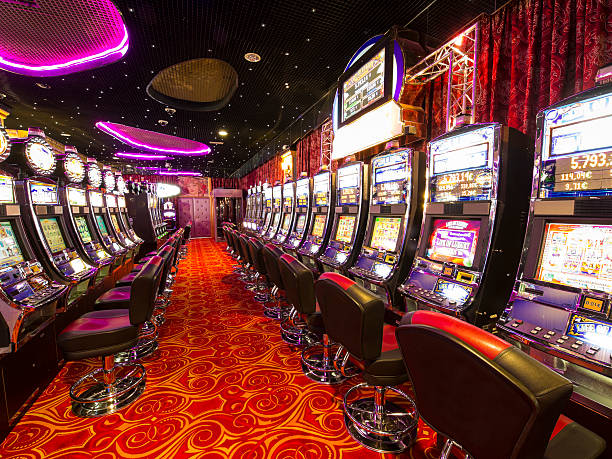
Stay Casino: Elevating Your Gaming Experience with Bonuses
At Stay Casino, we understand the psychology of gaming and aim to enhance your experience through exciting opportunities and robust bonus structures. Our platform is designed to cater to a wide array of player beliefs, offering a vast selection of engaging slot games and thrilling table games that provide endless entertainment. We believe in energizing your play by offering lucrative bonus offers and promo codes, designed to extend your gameplay and provide more chances to achieve your desired outcomes.
Stay Casino encourages players to explore our diverse game library, where both strategy-minded individuals and those who rely on luck or rituals can find their niche. Our welcome packages and ongoing promotions are crafted to provide significant value, allowing you to engage with our games more deeply. By signing up, you unlock a world of entertainment where your beliefs and preferences are catered to, all within a secure and dynamic online casino environment. We aim to make every session at Stay Casino a memorable and potentially rewarding one.